
 Skip to content
If you struggle with fear or anxiety while driving, you are definitely not alone. Results from a recent study showed that about 55% of survey participants had or were currently seeking help, and 22% intended to seek help, for driving anxiety. Another study found that as many as 80% of participants experienced some level of anxiety while driving.
Although driving with anxiety can be an inconvenience for some, others may experience panic attacks and other severe symptoms while driving, significantly affecting their lives. However, overcoming driving anxiety is possible with different approaches, techniques, and treatments.
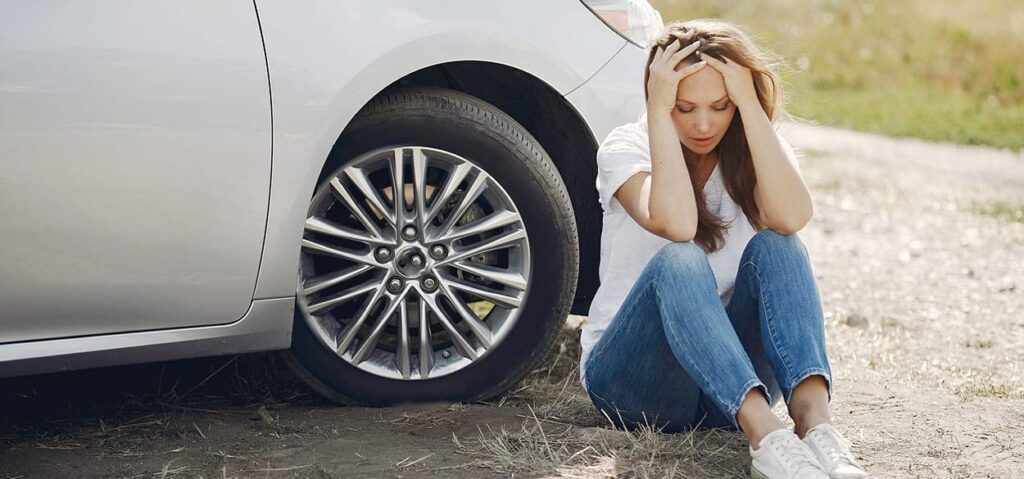
Driving anxiety is an extreme or irrational worry about operating a motor vehicle. In some cases, individuals have an intense fear of driving (vehophobia) that can be debilitating and cause serious physical and psychological symptoms. This is distinct from nervousness or jitters while driving, as the symptoms are much more severe and often triggered by specific scenarios.
Common triggers of driving anxiety include:
Medical professionals may diagnose a driving anxiety disorder as vehophobia, amaxophobia, motorphobia, or ochophobia, which may also extend to being a passenger in a vehicle.
Extreme anxiety or fear while driving is typically connected to a traumatic experience in a car crash or a similar situation. However, people with a history of anxiety or panic attacks may also have a higher risk of developing a driving phobia.
Root causes of driving anxiety may fall into these categories:
Along with the underlying psychological causes of driving anxiety, there are environmental factors that can escalate feelings of fear, including driving during rush hour, loud vehicles, and aggressive drivers. Lifestyle factors, such as lack of sleep, chronic stress, or caffeine consumption, may also contribute to anxiety while driving.
Being involved in a previous car crash can lead to post-accident anxiety that causes fear or panic while driving. Data suggests that about one in every four people who survive a traffic accident suffers from PTSD. This may cause flashbacks, intrusive memories, or nightmares about the crash that lead to avoidance behaviors.
When car accident survivors experience driving anxiety, it’s common for them to avoid situations that may trigger fear or enhance PTSD symptoms. They may try to:
Avoidance can offer short-term relief but may reinforce fear over time; a therapist can help introduce gentle, gradual exposure in a safe, structured way.

Every person is unique and may experience different driving anxiety symptoms in varying degrees of intensity. However, there are common signs and symptoms typically associated with driving anxiety, including:
While driving with anxiety or fear can significantly impact your life, there are ways of overcoming driving anxiety with the right techniques and support.
Exposure therapy is an approach that can help with anxiety and PTSD by gradually exposing you to triggers. For a car accident case, this may involve cognitive behavioral therapy (CBT) to slowly reintroduce images and sounds, eventually leading to re-engaging with things or activities you have avoided.
Several breathing and relaxation techniques are incredibly beneficial for those who suffer from driving anxiety, including box breathing, grounding exercises, meditation, or practicing mindfulness before or during driving.
Repeating positive affirmations and visualizing yourself driving the particular route are approaches that can help you feel more relaxed, grounded, and confident before getting behind the wheel.
Before driving, create a calm environment inside the vehicle that allows you to focus and relax. This may include playing soothing music, keeping the car clean and organized, avoiding caffeine or other stimulants, and removing distractions.
While it’s crucial to seek medical attention for your physical injuries after a car accident, remember that you can be affected mentally and emotionally as well. If you’re experiencing persistent or worsening driving anxiety, work with a therapist or CBT specialist to manage your symptoms.
Also, if another person caused your accident and injuries, a car accident lawyer can help you claim compensation that may cover PTSD or driving phobia treatment. An attorney will demand that available compensation for mental suffering be included in case settlements and verdicts.

If you suffer from panic attacks while driving, a mental health professional can offer guidance on how to prevent an attack from occurring while driving. Some techniques or steps to take might include:
When panic attack symptoms persist, call for help. Reach out to a family member, trusted friend, or therapist for assistance rather than attempting to drive.
A car crash can be traumatic, but panic attacks or PTSD symptoms after the accident can also have a serious impact on your confidence. There are ways to help rebuild that confidence and trust in yourself, which can reduce your anxiety about driving, such as:
Recovery times and treatment approaches for driving anxiety will vary between individuals. It’s important to seek help when needed and utilize techniques that are tailored to your specific needs.
While self-help techniques might be enough for some people, others who are experiencing severe driving anxiety symptoms that affect their quality of life may need professional help.
Signs that it’s time to consult a mental health practitioner include:
The type of professional you need will depend on your symptoms and the treatment approach that is best for you. Consider speaking with therapists who specialize in CBT, eye movement desensitization and reprocessing (EMDR), exposure therapy, or acceptance and commitment therapy (ACT).
If you regularly deal with anxiety while driving, it’s more important than ever to focus on ways to keep you and other drivers safe on the road. Tips that can help you protect yourself and avoid anxiety-inducing triggers include:
Although some anxiety or fear after a car accident is normal, phobias or debilitating feelings of worry should not be ignored. Several organizations offer helpful information and resources to assist:
You can also connect with an experienced car accident attorney to seek financial compensation for your damages and help you get the care and support you need. At NST Law, we are passionate about helping our clients and the communities we serve. Contact us today for a free consultation.